Preventing youth sports injuries requires a combination of proper preparation, safe training practices, and supportive environments. One key strategy is ensuring appropriate warm-up and cool-down routines before and after activities. Dynamic stretching, light aerobic exercises, and sport-specific drills prepare muscles, joints, and cardiovascular systems for play, while cool-downs aid recovery.
Proper technique and training progression are essential. Coaches should emphasize correct movement patterns, gradually increasing intensity, duration, and complexity to avoid overloading developing bodies. Youth athletes should also participate in age-appropriate conditioning programs to build strength, flexibility, balance, and coordination.
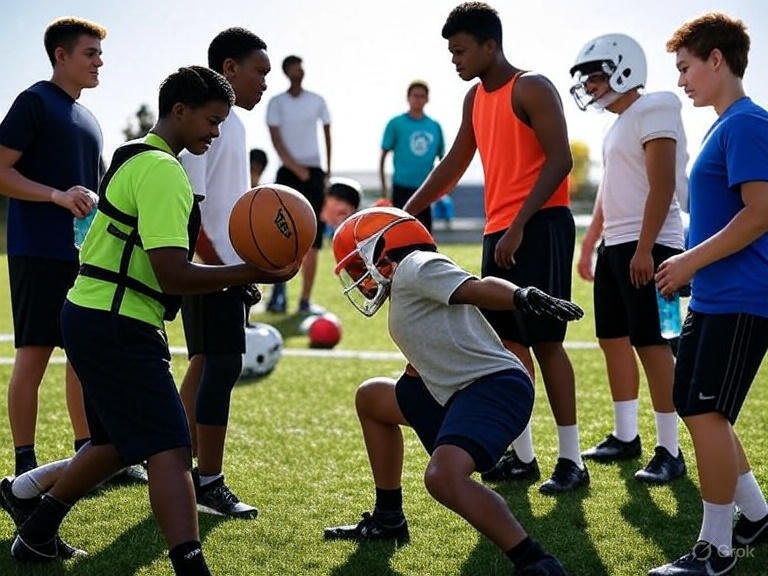
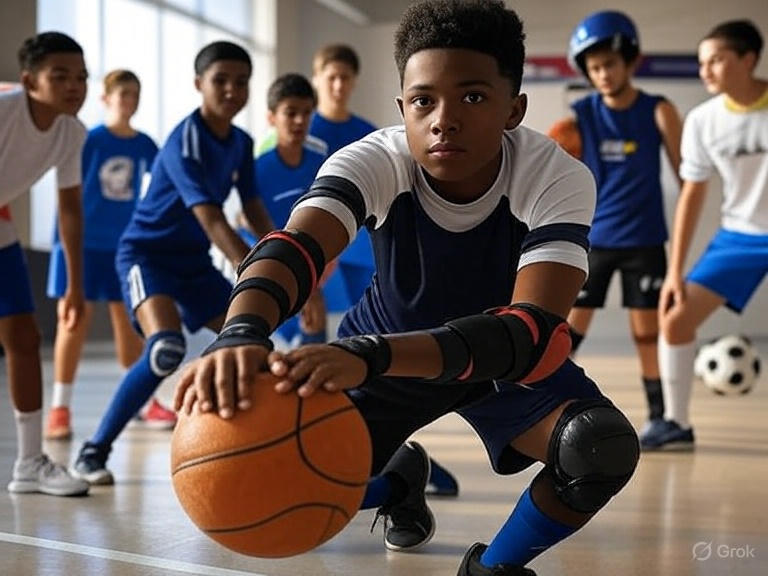
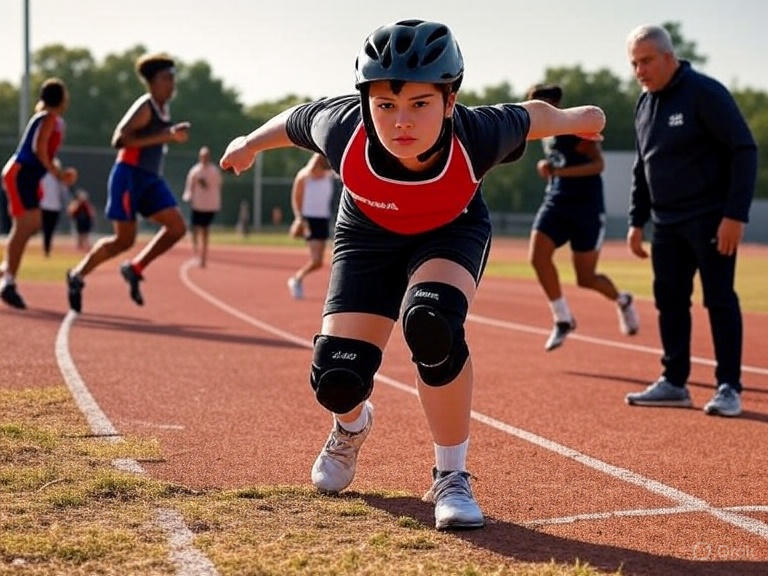
Protective equipment—such as helmets, mouthguards, pads, and sport-specific footwear—should be well-fitted and regularly checked for damage. Playing surfaces must be well-maintained to reduce slips, falls, and impact injuries.
Adequate rest and recovery are critical to prevent overuse injuries. Young athletes should have at least one or two rest days per week and avoid playing the same sport year-round without breaks. Cross-training with other sports can promote balanced muscle development and reduce repetitive stress.
Injury awareness and reporting should be part of athlete education. Youth players must be encouraged to speak up if they experience pain, discomfort, or unusual fatigue, and coaches or parents should monitor for changes in movement patterns or performance.
Finally, coach and parent education plays a vital role. Understanding growth-related vulnerabilities, hydration needs, and concussion protocols ensures safer sports environments. By combining these strategies, communities can reduce the risk of youth sports injuries while supporting long-term athletic development and enjoyment.